

GLP-1 Medications and the Composition of Weight Loss
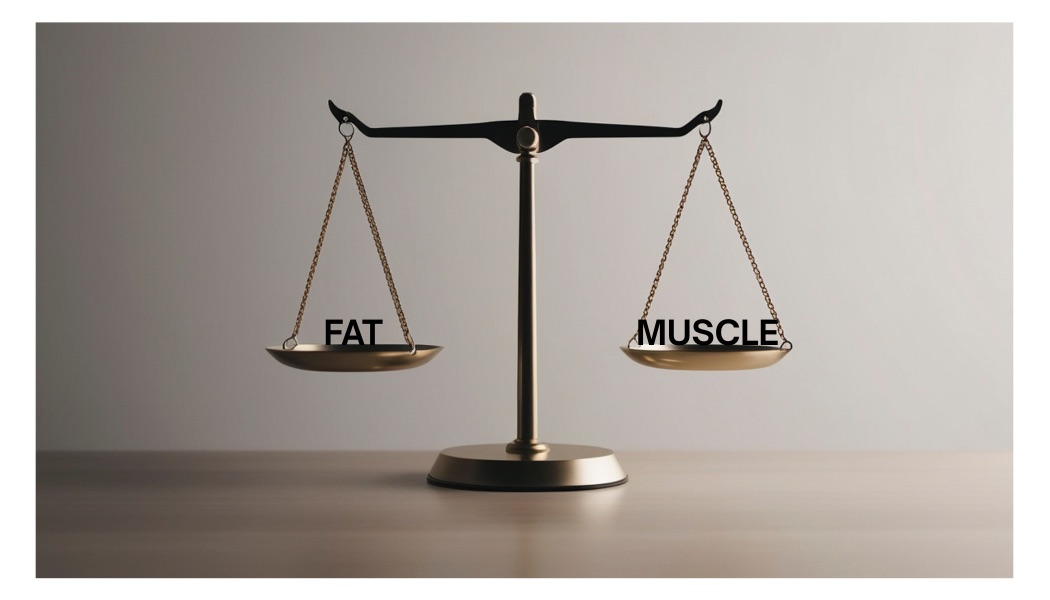
GLP-1 receptor agonists such as semaglutide and dual agonists such as tirzepatide produce large reductions in body weight. Most of that loss is fat. However, a meaningful portion is lean mass—muscle, organs, and other non-fat tissue. Meta-analyses of randomized trials that used dual-energy X-ray absorptiometry (DEXA) show that roughly 25% to 30% of the total weight lost on these medications comes from lean mass. In some analyses the figure reaches the mid-30% range depending on the drug, dose, and study population.
Lean mass loss is not unique to GLP-1 drugs; similar proportions appear with lifestyle-driven weight loss of comparable size. The practical issue is that rapid, large-scale weight reduction still removes muscle that supports strength, metabolic rate, and long-term function. Preserving as much lean tissue as possible improves the quality of the weight that is lost and helps protect physical capacity after the scale has moved.
Why Hormone Status Influences Results
Hormones regulate how the body partitions energy, builds or breaks down muscle protein, and responds to caloric deficit. Low testosterone, suboptimal thyroid function, or reduced growth-hormone signaling can make muscle harder to keep and fat harder to mobilize. During GLP-1 treatment, appetite falls and caloric intake drops. In that setting, the anabolic signals from sex hormones, thyroid hormone, and the growth-hormone/IGF-1 axis become more important for protecting lean tissue.
Weight loss itself often raises free testosterone in men by reducing fat mass and the activity of the enzyme aromatase that converts testosterone to estrogen. In postmenopausal women, observational data suggest that those already using hormone therapy may lose more weight and show better cardiometabolic changes when a GLP-1 agent is added. These findings do not prove that every patient needs hormone treatment, but they support the idea that checking and correcting clear deficiencies improves the conditions under which the medication works.
Thyroid status also matters. Even mild under-activity can slow metabolic rate and reduce the efficiency of fat loss. Because GLP-1 therapy changes intake and sometimes gastrointestinal function, periodic laboratory review of TSH, free T4, and related markers helps catch shifts that could blunt progress or affect energy levels and recovery.
Peptides That Support the Growth-Hormone Axis
Sermorelin is a synthetic peptide that mimics growth hormone-releasing hormone (GHRH). It stimulates the pituitary to release growth hormone in a pulsatile pattern closer to natural physiology than continuous exogenous growth hormone. Older human studies in healthy older adults showed that nightly sermorelin raised nocturnal GH secretion, increased IGF-1 in many participants, and produced modest gains in lean body mass—approximately 1.2 kg over several months in one open-label trial—along with improvements in selected measures of muscle strength and endurance.
Growth hormone and IGF-1 promote protein synthesis and help shift metabolism toward fat utilization. During the caloric deficit created by a GLP-1 medication, supporting this axis theoretically offers an additional signal to preserve muscle. Large randomized trials that combine sermorelin specifically with semaglutide or tirzepatide have not yet been published. The rationale rests on the separate evidence that each approach affects lean mass in favorable directions and on the known physiology of growth hormone during energy restriction.
Other growth-hormone secretagogues have been studied in aging populations with similar goals: restoring more youthful GH pulsatility and supporting fat-free mass. The clinical decision to add any of these agents should be individualized, based on symptoms, laboratory values (including IGF-1), and close follow-up.
Practical Steps That Matter Most
Hormone evaluation and peptides are adjuncts, not replacements for the fundamentals. Resistance training two to four times per week and protein intake in the range of 1.2 to 1.6 grams (or higher in some individuals) per kilogram of body weight are the interventions with the strongest evidence for reducing the proportion of lean mass lost during weight reduction. Body-composition monitoring with DEXA or reliable bioelectrical impedance helps track whether the weight coming off is mostly fat.
Laboratory assessment before or early in GLP-1 therapy can identify low testosterone, thyroid abnormalities, or other correctable issues. When a growth-hormone secretagogue such as sermorelin is considered, it should be prescribed and monitored by a clinician experienced in peptide use, with attention to IGF-1 levels, glucose, and overall clinical response. Side-effect profiles, cost, and individual goals all factor into the decision.
Putting the Pieces Together
GLP-1 medications are powerful tools for reducing body weight and improving metabolic markers. Their effectiveness is highest when the rest of the endocrine environment supports muscle retention and efficient fat loss. Evaluating hormones, correcting clear deficiencies, maintaining protein and resistance training, and, in selected cases, adding a peptide that supports physiologic growth-hormone release form a coherent strategy for higher-quality weight loss.
When laboratory evaluation or peptide support is relevant, clinicians experienced in hormone and peptide care can be reached through resources such as Vita Bella.
For individuals already using a GLP-1 medication and seeking coordinated hormone or peptide management alongside nutritional and training guidance, the same clinical teams at Vita Bella can help integrate monitoring and individualized plans.
References
1. Karakasis P, Patoulias D, Fragakis N, Mantzoros CS. Effect of glucagon-like peptide-1 receptor agonists and co-agonists on body composition: systematic review and network meta-analysis. Metabolism. 2025;164:156113. doi:10.1016/j.metabol.2024.156041
2. Eisa A, et al. Lean mass changes with incretin therapy versus lifestyle intervention: a systematic review and meta-analysis of randomised controlled trials. Diabetes Obes Metab. 2026. doi:10.1111/dom.70666
3. Wilding JPH, Batterham RL, Calanna S, et al. Once-weekly semaglutide in adults with overweight or obesity. N Engl J Med. 2021;384(11):989-1002. doi:10.1056/NEJMoa2032183
4. Jastreboff AM, Aronne LJ, Ahmad NN, et al. Tirzepatide once weekly for the treatment of obesity. N Engl J Med. 2022;387(3):205-216. doi:10.1056/NEJMoa2206038
5. Vittone J, Blackman MR, Busby-Whitehead J, et al. Effects of single nightly injections of growth hormone-releasing hormone (GHRH 1-29) in healthy elderly men. Metabolism. 1997;46(1):89-96. doi:10.1016/S0026-0495(97)90174-8
6. Khorram O, Laughlin GA, Yen SS. Endocrine and metabolic effects of long-term administration of [Nle27]growth hormone-releasing hormone-(1-29)-NH2 in age-advanced men and women. J Clin Endocrinol Metab. 1997;82(5):1472-1479. doi:10.1210/jcem.82.5.3943
7. Merriam GR, Barsness S, Buchner D, et al. Growth hormone-releasing hormone treatment in normal aging. J Anti Aging Med. 2001;4(4):305-314.