


High-achieving women often deal with ongoing stress. Over time, this stress can affect hormone balance. It may raise cortisol levels and slow thyroid function. As a result, you may feel tired, gain weight, or notice changes in your menstrual cycle. Targeted peptides may support hormone health when used with thyroid and adrenal care. However, testing, healthy daily habits, and a personalized plan remain key. Together, these steps can help improve energy, recovery, and overall well-being.
At Vita Bella, we take a personalized approach to hormone optimization. Our team evaluates key factors such as cortisol levels, thyroid function, metabolic health, and overall wellness. Based on your results, we create a tailored plan that may include lifestyle guidance, hormone support, and targeted peptide therapies when appropriate. We focus on helping you restore energy, improve recovery, strengthen resilience, and support long-term hormone health.
Why Does Chronic Cortisol Imbalance Cause Burnout, Weight Gain, and Hormonal Disruption?
Chronic stress can affect hormone health. When stress lasts for weeks or months, your body releases more cortisol. High cortisol can affect energy, sleep, and metabolism. It can also disrupt other hormones. As a result, you may feel tired, gain weight, or notice changes in your menstrual cycle.
Over time, high cortisol levels may lead to symptoms such as:
Morning fatigue after a full night's sleep
Brain fog and poor focus
Trouble falling asleep or staying asleep
Increased belly fat
Anxiety and irritability
Cravings for sugary foods
Slow recovery after exercise
Irregular or missed periods
Cortisol helps your body manage stress. However, too much cortisol can create health problems. It may affect estrogen and progesterone levels. It can also make it harder for your body to use insulin well. As a result, fat may build up around the waist. A review in Current Obesity Reports [1] found strong links between long-term cortisol exposure, abdominal fat gain, and metabolic problems. The study also noted effects on thyroid and reproductive hormone function. These findings help explain why many busy women face burnout, weight gain, and hormone changes at the same time.
How Does Thyroid Health Affect Energy, Metabolism, and Menstrual Cycle Balance?
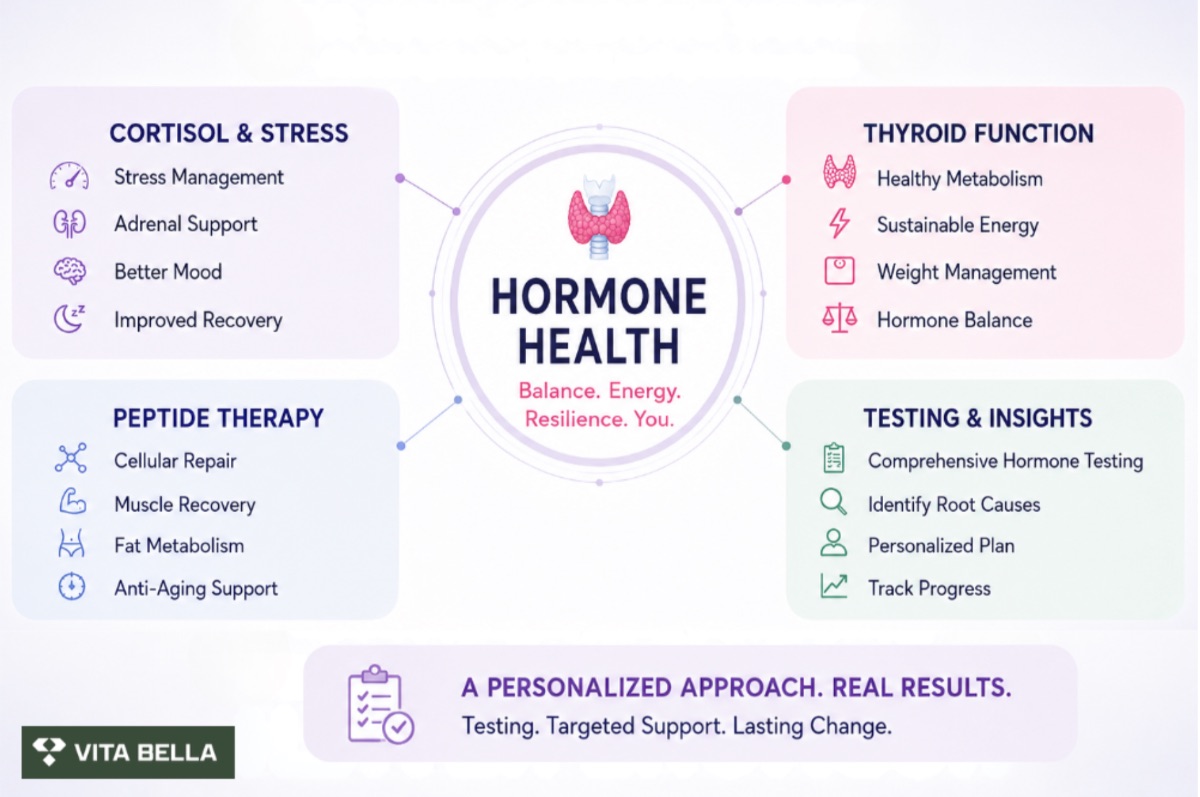
Thyroid hormones help regulate how the body uses energy. They also influence metabolism and many normal body functions. When thyroid hormone levels become too low, body processes can slow down. As a result, you may notice changes in energy, weight, and overall well-being. These symptoms often develop gradually and may be easy to miss.
Common Thyroid Conditions
Several thyroid conditions can affect women during different stages of life. Subclinical hypothyroidism occurs when thyroid-stimulating hormone levels rise while thyroid hormone levels remain within the normal range. Hashimoto's thyroiditis is an autoimmune disease that gradually damages the thyroid gland. Thyroid hormone resistance is less common and affects how the body responds to thyroid hormones.
Symptoms That Often Go Unnoticed
Many thyroid symptoms can resemble everyday stress or a demanding schedule. Common symptoms include persistent fatigue, difficulty managing weight, hair thinning, poor concentration, and irregular menstrual cycles. Because these symptoms often develop slowly, they may not always be linked to thyroid health right away.
Comprehensive Assessment Matters
A complete thyroid evaluation may include thyroid-stimulating hormone, free T4, free T3, and thyroid antibody testing. These tests can help identify thyroid dysfunction and provide a clearer picture of hormone health. A thorough assessment can also help distinguish thyroid-related symptoms from other factors that affect energy and metabolism.
Research shows that hypothyroidism is a common condition of thyroid hormone deficiency. The review in the Lancet [2] reported that fatigue and weight gain are among the most common symptoms in adults. The authors also noted that a substantial proportion of patients continue to report complaints even after reaching biochemical treatment targets. These findings highlight the broad impact thyroid dysfunction can have on health and daily function.
Can Peptide Therapy Support Hormone Health, Recovery, and Metabolic Resilience?
Peptides are small proteins that carry messages in the body. They help cells work together. They also help control energy use and metabolism. Some peptides affect hormone activity. Because of this, peptide therapy is getting more attention. However, treatment should always fit your health needs and goals.
Different peptides have different roles. Some help control hunger and fullness. Others help regulate blood sugar and energy use. Research in this area is growing. Still, experts continue to study how many peptides work. Medical guidance is important. Regular follow-up can also help track progress and safety.
Research continues to reveal new roles for peptides. The review published in Cell Reports [3] reported that peptides act as signaling molecules and help organs communicate. The authors also noted that some peptide-based drugs are already used for obesity and diabetes. However, many peptide actions are still being studied. More research is needed to better understand their long-term effects.
What Hormone Testing and Lifestyle Strategies Help Restore Energy, Resilience, and Long-Term Wellness?
The right tests can help you understand your health. They can show changes in hormones, blood sugar, and other key markers. Daily habits matter too. Good sleep, healthy food, and regular activity support your body each day. Together, these steps can help support energy, recovery, and long-term health.
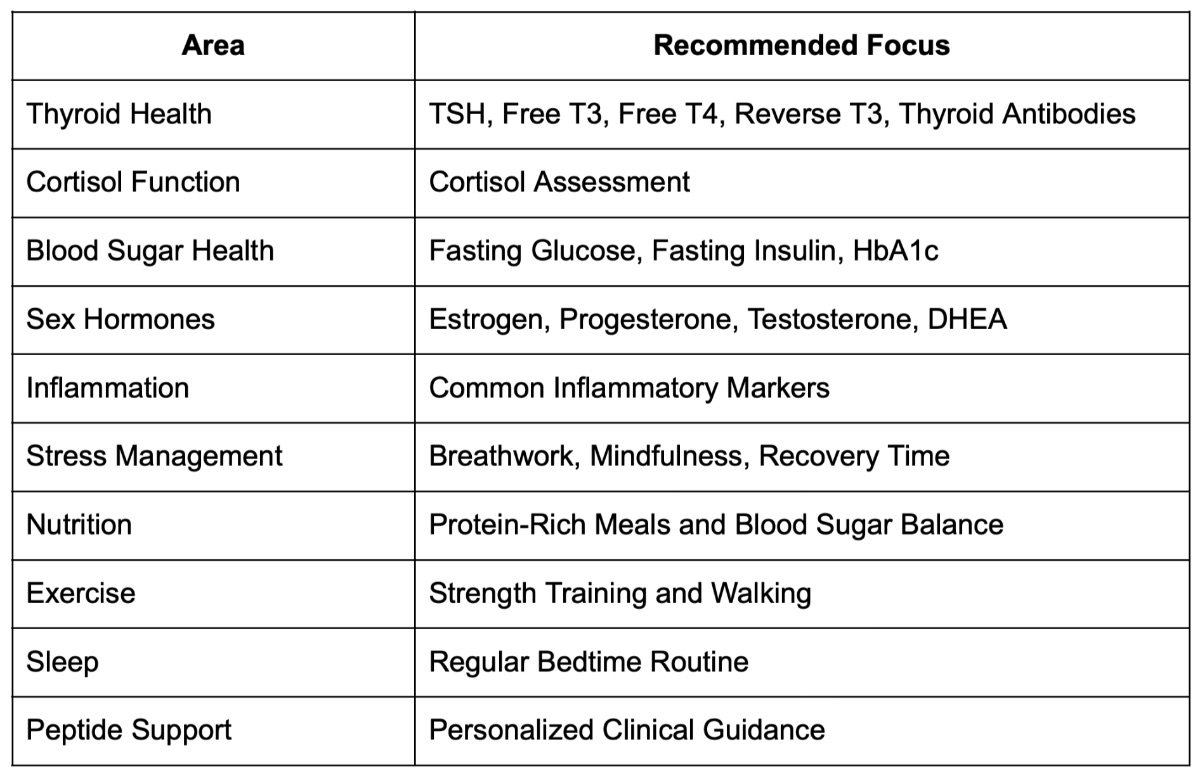
Each step supports a different part of health. Testing can help find possible issues. Sleep helps the body rest and recover. Exercise supports strength and movement. Healthy meals provide steady fuel. Stress control can support daily well-being. In some cases, peptide therapy may be added under medical care.
Research shows that healthy habits support better health. The article Journal of Taibah University Medical Sciences [4] reported that healthy eating, exercise, sleep, and stress control can help prevent and manage chronic diseases. The author also noted that these habits can improve quality of life. These findings show that simple daily habits can support long-term wellness.
Take Control of Your Hormone Health and Rebuild Your Energy Today
You may feel frustrated by constant fatigue, stubborn weight gain, poor recovery, or irregular cycles. These symptoms can make it harder to stay productive and perform at your best. Over time, burnout can affect your focus, mood, and overall well-being. However, these changes are not always a normal part of aging, stress, or professional success.
At Vita Bella, we take a personalized approach to hormone health. We evaluate thyroid function, cortisol balance, metabolic health, and other key factors that affect how you feel. Based on your results, we create a customized plan that may include hormone therapies, along with other targeted peptide options when appropriate. Our goal is to help you restore energy, support recovery, and improve long-term hormone balance. Schedule a consultation and learn more about your options.
Frequently asked questions
Yes. Hormone imbalances can affect focus, energy, and mental clarity. You may find it harder to stay productive during the day. Changes in cortisol, thyroid hormones, or blood sugar can also affect mood and motivation. As a result, daily tasks may feel more demanding and less manageable over time.
The timeline varies from person to person. Some women notice changes in energy and sleep within a few weeks. However, other improvements may take longer. Factors such as hormone levels, lifestyle habits, stress, and treatment plans all play a role. Consistent follow-up helps track progress and guide adjustments when needed.
Yes. Blood sugar and hormone health are closely connected. Large swings in blood sugar can affect cortisol and insulin levels. Over time, this may influence energy, appetite, and metabolism. Therefore, balanced meals and stable blood sugar levels can support overall hormone function and long-term wellness.
Recovery gives the body time to repair and adapt. Without enough recovery, stress levels may remain high. This can affect cortisol and other hormones. Good sleep, rest days, and stress management all support recovery. Together, these habits help maintain energy, improve resilience, and support better hormone health.
Yes. Some women continue to experience symptoms even when standard lab results appear normal. Hormone health is complex and involves many body systems. Therefore, healthcare providers may review symptoms, health history, lifestyle factors, and additional testing to gain a more complete understanding of overall health.