


The carnivore diet, an all-meat-eating plan that excludes all plant-based foods, has gained popularity, with followers claiming improved health markers, weight loss, and reduced inflammation. While some see immediate benefits from this high-protein, zero-carb regimen, scientific evidence supporting its long-term effectiveness and safety is limited.
Vita Bella helps you navigate your wellness journey with a balanced approach to nutrition. While the carnivore diet may offer short-term benefits, it’s important to consider its long-term effects on health and metabolism. With Vita Bella’s app, you can track your macros, meal plans, and fitness goals for sustainable weight management and overall health.
What Is the Carnivore Diet?
The carnivore diet involves consuming animal products exclusively, primarily meat, fish, eggs, and certain dairy, while completely eliminating fruits, vegetables, grains, and legumes. Proponents argue that the absence of plant allergens and anti-nutrients helps reduce inflammation and improve gut health. According to research 1, the carnivore diet has been used to improve allergic, skin, and autoimmune conditions, as well as digestive health, and many have reported improvements in inflammatory conditions and related symptoms.
How Does the Carnivore Diet Affect Inflammation?
The carnivore diet’s elimination of plant-based foods removes common dietary triggers for those with food sensitivities (e.g., gluten, lectins). According to research 2, some individuals report reduced joint pain and improved digestion due to the absence of potential allergens. It serves as a primary energy source for colonocytes, supporting the health and integrity of the intestinal lining, and has anti-inflammatory properties for the gut mucosa.
Moreover, removing all plant foods for long periods means missing out on fiber, antioxidants, and polyphenols that have been proven to fight inflammation in the human body. Plant-rich diets like the Mediterranean diet demonstrate that fruits, vegetables, and whole grains provide key anti-inflammatory benefits that aren’t present in the carnivore diet.
Carnivore Diet and Hormones: What’s the Impact?
One of the most discussed aspects of the carnivore diet is its effect on hormonal balance. While testosterone may initially rise on a protein-rich diet, the long-term effects on hormones, especially in women, remain uncertain. Research 3 suggests that extreme carbohydrate and micronutrient restriction, key elements of the carnivore diet, can disrupt menstrual cycles and reduce estrogen production in women, leading to potential fertility issues over time. For men, testosterone production may also be affected.
What Are the Metabolic Effects of the Carnivore Diet on Weight Loss and Insulin Sensitivity?
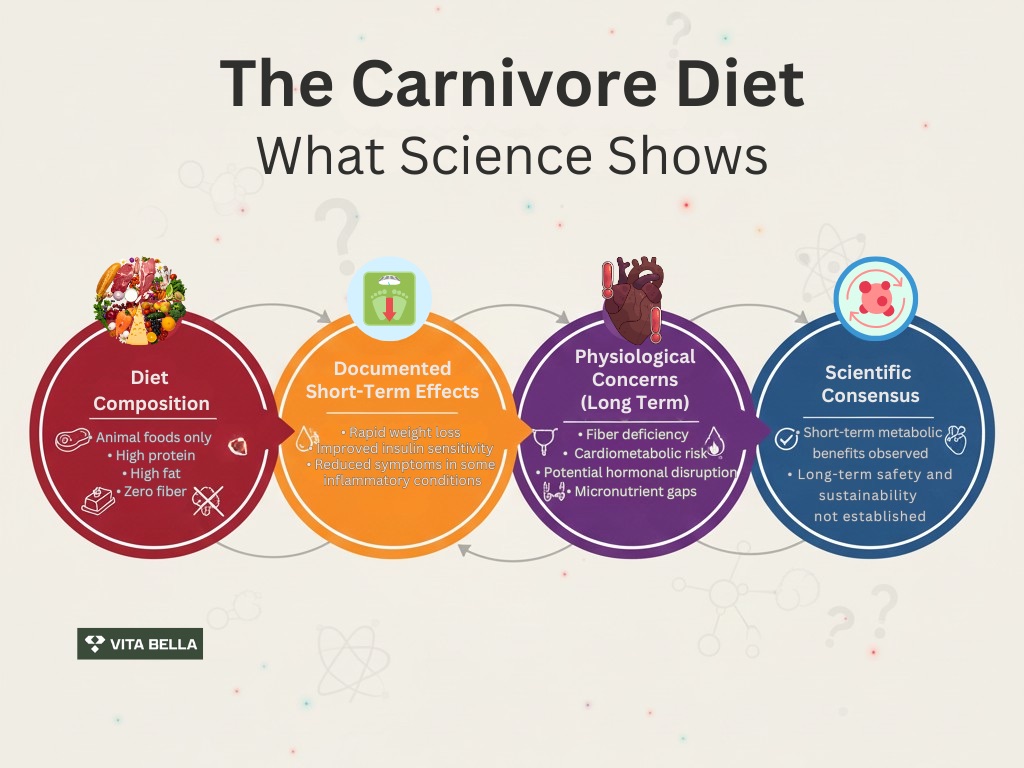
Carnivore enthusiasts often experience initial weight loss due to calorie restriction and the elimination of high-carb foods that contribute to weight gain. Early clinical evidence 4 suggests that similar low-carb, high-protein diets can improve insulin sensitivity and reduce body fat in the short term. It has also been shown to lead to greater weight loss than a high-carbohydrate diet, along with improved insulin parameters, highlighting its ability to lower the risk of type 2 diabetes and cardiovascular disease.
However, metabolic benefits are not sustainable for everyone. Long-term reliance on a meat-heavy diet may lead to nutrient deficiencies, including fiber and vitamin C, which can affect the gut microbiome and the overall metabolic system. Studies on ketogenic diets (which share similarities with the carnivore diet) show short-term metabolic benefits but indicate that these benefits may plateau over time due to nutrient gaps.
What Are the Concerns About Nutrition Deficiencies on the Carnivore Diet?
The carnivore diet is low in essential nutrients. Although protein and fat intake are high, key vitamins and minerals are often missing or insufficient in the diet. A 2019 study found that while the diet provides adequate levels of vitamin B12, iron, and zinc, it is deficient in fiber, vitamin C, magnesium, and other plant-based nutrients.
In particular, the lack of dietary fiber can lead to digestive problems, including constipation, and alterations in the gut microbiome. Fiber-rich foods support a healthy gut, which plays a critical role in immune function, mental health, and overall metabolic health. Without sufficient fiber, the gut can’t function optimally.
What Are the Long-Term Risks and Sustainability of the Carnivore Diet?
The lack of long-term evidence on the carnivore diet raises concerns about its sustainability and overall safety. Most research on low-carb diets, especially very low-carb or ketogenic diets, shows that metabolic improvements are often temporary and may stall over time. Long-term adherence to a diet that eliminates whole food groups, such as fruits, vegetables, and whole grains, could also increase the risk of chronic diseases, such as heart disease, due to high saturated fat in red meat.
When Is the Carnivore Diet Beneficial?
The carnivore diet may offer short-term benefits for some individuals, particularly those with autoimmune disorders or those looking for an elimination diet to identify food sensitivities. However, for long-term health, it is crucial to balance nutrition by reintroducing plant-based foods that provide fiber, antioxidants, and micronutrients absent from an exclusively animal-based diet.
Crush Your Weight Loss Plateau, Start Your Vita Bella Journey Today
The carnivore diet can lead to nutritional imbalances over time, increasing health risks, including deficiencies in fiber, vitamins, and minerals. The root cause is its extreme exclusion of plant-based foods, which offer vital nutrients for your body. Without these foods, your body may struggle to maintain essential functions, such as gut health and immune support. These deficiencies can lead to longer-term health complications if the diet is followed for extended periods.
Vita Bella’s app provides a comprehensive solution by tracking your macros and calories and ensuring balanced nutrition through personalized guidance. You can stay on top of your health goals with recipes, workout videos, and metabolic health insights, all designed for long-term wellness. The app also offers tailored meal plans to ensure you're getting a diverse range of nutrients to maintain overall health.
Frequently asked questions
Depends, the carnivore diet is not generally recommended for long-term health due to its restrictive nature, which eliminates essential plant-based foods that provide fiber, vitamins, and minerals. Prolonged exclusion of these nutrients can lead to deficiencies and increase the risk of chronic diseases, such as heart disease and digestive issues. The question is, do the short term benefits improve health dramatically enough to make a long term difference?
Yes, tracking your macros and calories can improve diet quality by providing clear insights into your nutritional intake. It helps you maintain a balanced diet, ensuring you're meeting protein, fat, and carbohydrate needs. Apps like Vita Bella help you stay on track, optimizing nutrient intake for overall health and wellness.
Yes, the carnivore diet can negatively impact gut health. Your gut biome has the ability to change based on the foods you eat. Excluding fiber and plant-based foods, it reduces the diversity of your gut microbiome, which is vital for digestion and immune function. Over time, this lack of dietary variety may lead to gut discomfort, constipation, and other digestive issues.
Yes, Vita Bella’s app is effective for sustainable weight loss. It allows you to track macros, calories, and metabolic health, providing personalized guidance to help you achieve your goals. With customized meal plans, workout videos, and recipes, the app helps you maintain a balanced diet, ensuring long-term success and improved wellness.
References:
Lennerz, B. S., Mey, J. T., Henn, O. H., & Ludwig, D. S. (2021). Behavioral characteristics and self‑reported health status among 2029 adults consuming a “carnivore diet.” Current Developments in Nutrition, 5(12), nzab133. https://doi.org/10.1093/cdn/nzab133
Goedeke, S., Murphy, T., Rush, A., & Zinn, C. (2024). Assessing the nutrient composition of a carnivore diet: A case study model. Nutrients, 17(1), 140. https://doi.org/10.3390/nu17010140
Vranjić, P., Vuković, M., Blažetić, S., & Viljetić, B. (2025). Ketogenic diet and thyroid function: A delicate metabolic balancing act. Current Issues in Molecular Biology. https://doi.org/10.3390/cimbXXXXXX (PMCID: PMC12468144)
Tettamanzi, F., Bagnardi, V., Louca, P., Nogal, A., Monti, G. S., Mambrini, S. P., Lucchetti, E., Maestrini, S., Mazza, S., Rodriguez‑Mateos, A., Scacchi, M., Valdes, A. M., Invitti, C., & Menni, C. (2021). A high protein diet is more effective in improving insulin resistance and glycemic variability compared to a Mediterranean diet—A cross‑over controlled inpatient dietary study. Nutrients, 13(12), 4380. https://doi.org/10.3390/nu13124380