


Healthspan Optimization for Law Enforcement Officers: Building the Physical Foundation for a Career and Retirement Worth Having
Law enforcement is one of the few professions documented to accelerate the biological aging process. The combination of chronic stress, irregular sleep, shift work, hormonal disruption, and cumulative physical demands produces measurable changes in how quickly the body ages at the cellular level. These effects are significant for both male and female officers, though the hormonal mechanisms and timing differ. Healthspan, the period of life spent in good functional health, is directly affected by these changes. Modern healthspan medicine offers tools to measure biological aging, address its contributors, and extend the years of strength, sharpness, and function that officers have earned, accessible now through reputable health and wellness providers.
The Challenges Facing Law Enforcement Officers
Healthspan medicine distinguishes between lifespan, how long a person lives, and healthspan, how long a person lives well. Research on law enforcement populations suggests that officers tend to experience healthspan erosion earlier than the general population as a result of occupational exposures.
• Hormonal Decline: Testosterone, estrogen, progesterone, thyroid hormones, and growth hormone all decline with age, and that decline is accelerated by chronic stress and shift work. The downstream effects are documented and include losses in muscle mass, bone density, cognitive sharpness, metabolic efficiency, and sleep quality.
• Muscle Mass Loss: Muscle mass loss is one of the strongest predictors of healthspan outcomes. Research consistently shows that lean body mass is associated with better outcomes across virtually every measure of healthy aging. Officers who lose significant muscle mass during their career are on a more difficult trajectory, regardless of pension timing.
• Metabolic Disruption: Years of irregular schedules, stress-driven cortisol patterns, and shift-work eating habits accelerate insulin resistance and the inflammatory burden associated with accelerated aging. Addressing these contributors before retirement is what the research consistently supports.
• Male Officers: Testosterone Decline: Male officers face specific healthspan vulnerabilities centered on the testosterone decline that is accelerated by the occupational demands of law enforcement. Testosterone supports muscle mass maintenance, bone density, metabolic function, cardiovascular health, and cognitive sharpness. Research has documented significantly lower testosterone levels in male law enforcement officers compared to age-matched general population controls, attributed to the compounding effects of chronic stress, shift work, sleep disruption, and cumulative physical demand. For male officers, testosterone decline is not just an inconvenience of aging. It is a primary driver of the muscle loss, fat accumulation, energy reduction, and cognitive dulling that define healthspan erosion.
• Female Officers: Hormonal Transition: Female officers face their own accelerated healthspan timeline tied to the hormonal transitions that frequently occur during active duty years. The perimenopausal and menopausal decline of estrogen and progesterone drives accelerated losses in bone density, muscle mass, metabolic efficiency, and cognitive function that can compound significantly with the occupational stressors already present. Female officers who notice a shift in body composition, energy, joint health, or mental sharpness during hormonal transition are experiencing a documented and addressable biological pattern.
Key Benefits of Hormone Optimization for Healthspan
Testosterone, estrogen, progesterone, thyroid hormones, and growth hormone are among the most researched pillars of healthspan medicine for both male and female officers. Maintaining optimal levels, when appropriate and medically indicated, has been associated with meaningful changes in the trajectory of how the body ages.
• Preserved Muscle Mass and Bone Density: Testosterone and growth hormone support lean body mass and physical performance in male officers. Estrogen and progesterone are equally critical for muscle maintenance, bone mineral density, and physical function in female officers. Loss of either hormonal foundation accelerates the physical decline that determines retirement quality.
• Improved Metabolic Health and Insulin Sensitivity: Hormonal optimization supports more efficient glucose regulation, reduced visceral fat accumulation, and better metabolic markers for both male and female officers. Estrogen decline in female officers is a specific and well-documented driver of visceral fat accumulation and insulin resistance.
• Cognitive Sharpness and Functional Independence: Testosterone supports cognitive function and focus in male officers. Estrogen and progesterone support memory, verbal fluency, and neural health in female officers. Maintaining optimal levels in both is associated with better cognitive aging outcomes.
• Testosterone Optimization for Male Officers: Testosterone is a central pillar of healthspan for male officers, directly supporting muscle mass, bone density, metabolic function, cardiovascular health, and cognitive sharpness. The testosterone decline documented in law enforcement populations is accelerated relative to that of general population peers. Properly supervised testosterone replacement therapy for male officers with clinically documented deficiency has been associated in research with preserved lean body mass, improved metabolic markers, and the physical and cognitive function that determines whether retirement years are strong and capable.
• Estrogen and Progesterone for Female Officer Healthspan: The perimenopausal and menopausal transition, which often occurs during peak career years for female officers, produces documented acceleration in muscle loss, bone density reduction, metabolic disruption, and cognitive change. Estrogen maintains bone mineral density, cardiovascular health, cognitive function, and muscle integrity. Progesterone supports sleep quality, mood regulation, and the hormonal balance that allows estrogen to function optimally. Properly supervised hormone replacement therapy for female officers is one of the most evidence-supported healthspan interventions available and is a central component of any female officer's long-term health planning.
• Enhanced Quality of Life Over Time: Research on hormone replacement therapy, when appropriately prescribed and monitored for both male and female officers, shows
sustained improvements in energy, sleep, sexual health, and the sense of physical capability that determines whether retirement years are worth living.
The research on healthspan medicine is consistent: earlier intervention yields greater compounding benefit. Officers in their 30s and 40s who address hormonal and metabolic contributors while function is still strong achieve meaningfully better trajectories than those who wait until decline becomes obvious.
The Role of Peptides in Longevity and Healthspan
Beyond direct hormone optimization, a category of peptides studied for their effects on growth hormone release and metabolic function has become an important part of the healthspan medicine conversation for both male and female officers.
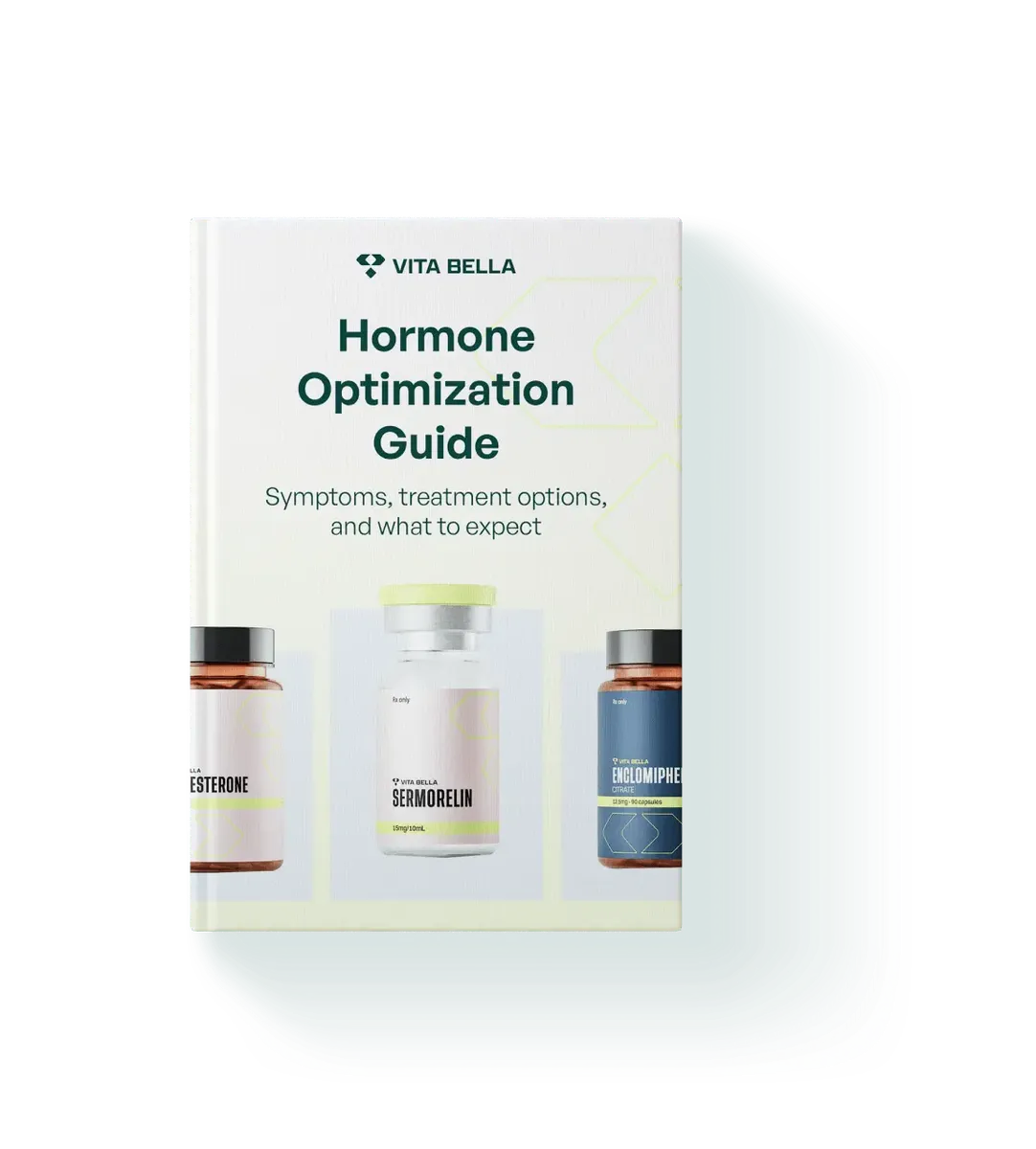
• Sermorelin: A peptide that supports the body's natural growth hormone release by signaling the pituitary gland. Research interest in sermorelin for healthspan centers on muscle preservation, sleep quality, recovery capacity, and body composition. FDA-approved for specific indications; use for healthspan is off-label and requires provider evaluation.
Important Note: Peptides, including sermorelin, are not on standard law enforcement drug screening panels. Testosterone and estrogen replacement therapies, when prescribed for documented deficiencies, are legal prescriptions handled like any other medication. Disclose to your Medical Review Officer if relevant. All protocols require evaluation and supervision by a licensed medical provider.
Why Law Enforcement Officers Should Consider a Specialized Health and Wellness Company
Generic primary care rarely evaluates the biological aging trajectory of law enforcement officers or offers the comprehensive hormonal and metabolic assessment that healthspan medicine requires for either male or female officers. A reputable health and wellness company specializing in first responders offers:
• Personalized Testing and Protocols: Comprehensive lab work covering testosterone, estrogen, progesterone, cortisol, thyroid, metabolic markers, and more, followed by tailored therapies based on individual findings for both male and female officers.
• Ongoing Monitoring: Regular follow-ups to adjust treatments, monitor results, and ensure safety throughout the protocol.
• Holistic Support: Integration with nutrition guidance, training recommendations, sleep optimization, and stress management designed for shift workers of all backgrounds.
• Discretion and Expertise: Providers familiar with departmental policies, fitness standards, and the demands of service for both male and female officers, without judgment.
• Long-Term Health Focus: Preventing burnout, supporting career longevity, and addressing the hormonal and metabolic changes that affect male and female officers at different stages of a career.
The most meaningful healthspan interventions are those started before a significant decline. Providers who understand law enforcement occupational health for both male and female officers are positioned to interpret findings in context and build protocols accordingly.
Final Thoughts: Investing in the Years You Have Earned
Law enforcement officers earn their retirements at great personal cost. The physical foundation required to actually enjoy those years, with strength, mobility, cognitive sharpness, and energy, does not maintain itself automatically after decades of shift work, chronic stress, and cumulative physical demand. This is true for both male and female officers, with the specific hormonal picture differing, but the stakes being equal.
Healthspan medicine offers diagnostics, therapies, and medical supervision to address biological aging at its roots, extend the period of high-functioning living, and give officers the retirement their service deserves.
This is not a quick fix. It is a proactive, evidence-informed approach to investing in the years you have already earned.
Start with a 10-minute consultation to find out what a customized program looks like for you. Schedule a complimentary consultation.
Your body, and the people you serve, will thank you.
Brought to you by Vita Bella Health in partnership with Law Enforcement Today. Real people working hard for hard-working people.
Disclaimer: This article is for informational and educational purposes only and does not constitute medical advice, diagnosis, or treatment. It is not intended to substitute for professional medical advice from a licensed provider. Hormone therapy, peptide therapy, and related medications referenced in this article require evaluation and prescription by a licensed medical provider. Several compounds discussed are investigational, not FDA-approved for the uses described, or are FDA-approved only for other indications and would be considered off-label use. Individual results vary, and no specific outcome is promised or implied. Always consult your physician or qualified healthcare provider before beginning any new protocol, particularly if you have existing medical conditions or take prescription medications. These statements have not been evaluated by the FDA and are not intended to diagnose, treat, cure, or prevent any disease.
Sources
Nature Aging: Biological Age Biomarkers and Healthspan
Cell: The Hallmarks of Aging
Journal of the American Geriatrics Society: Muscle Mass and Aging Outcomes
Endocrine Reviews: Hormonal Changes and Healthspan in Aging Adults
Journal of Clinical Endocrinology and Metabolism: Sermorelin and Growth Hormone Axis Peptides: Testosterone Replacement Therapy in Older Men
The Lancet: Resistance Training and All-Cause Mortality
Menopause: Hormone Therapy and Healthspan Outcomes in Perimenopausal Women
Journal of Clinical Endocrinology and Metabolism: Testosterone Decline in Law Enforcement Populations Annual Review of Public Health: Occupational Stress, Aging, and Long-Term Health Outcomes