


GLP-1 medications help you lose weight by reducing hunger. They also help you feel full for longer. However, fast weight loss can lead to muscle loss. This can reduce strength and slow your metabolism. Therefore, protecting muscle is important. Growth hormone peptides, strength training, and enough protein may help maintain lean muscle. Together, these strategies support better body composition and help you keep long-term weight loss results.
At Vita Bella, we focus on more than weight loss alone. We help create individualized programs that support fat reduction while preserving lean muscle. Through a combination of GLP-1 treatment, strategic nutrition, strength-focused exercise, and medically guided support, we aim to improve body composition and metabolic function. This balanced approach can help you maintain strength, support healthy energy levels, and build lasting results throughout your weight loss journey.
Why Does Muscle Loss Happen During GLP-1 Weight Loss Programs?
Muscle loss can happen during GLP-1 weight loss because your body receives fewer calories and nutrients. As a result, it may use both fat and muscle for energy. Lower food intake can also reduce protein intake, which is essential for muscle maintenance. Less physical activity may speed up muscle loss. This matters because muscle supports strength, mobility, and healthy metabolism. Protecting lean muscle should remain a key part of every GLP-1 weight loss plan.
Research from the Journal of the Endocrine Society [1] body composition substudy highlights this concern. Investigators found that participants using semaglutide experienced a 9.7% reduction in total lean body mass over 68 weeks. However, fat mass decreased even more, leading to an improved lean mass-to-fat mass ratio. These findings show why resistance training, adequate protein intake, and muscle-preserving strategies are important during treatment. Together they can help maintain strength while supporting successful long-term weight management.
How Can Protein Timing Support Muscle Preservation During GLP-1 Treatment?
Protein timing can help protect muscle during GLP-1 treatment. Many people eat less when using these medications and this results in not getting enough protein. Your muscles need protein throughout the day to stay strong. Spreading protein across meals can help support muscle repair and growth. This simple habit may also help you maintain strength and support a healthy metabolism while losing weight.
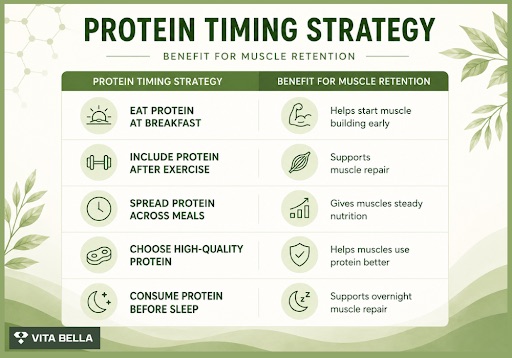
Research shows that meal timing matters. A study published in The Journal of Nutrition [2] compared two eating patterns with the same amount of protein. One group spread protein evenly across meals. The other group ate most of it at dinner. The evenly spaced group had 25% higher muscle protein synthesis. This finding suggests that regular protein intake may help your body maintain muscle more effectively during weight loss.
Which Resistance Training Protocols Help Maintain Strength and Metabolism?
Resistance training is one of the most effective ways to maintain muscle during GLP-1 weight loss. When you challenge your muscles, your body receives a signal to keep lean tissue. This helps preserve strength and supports metabolic function. Maintaining muscle can improve daily function and make long-term weight management easier. Even simple strength exercises performed regularly can provide meaningful benefits during treatment.
To support muscle retention and strength, consider the following strategies:
Train major muscle groups two to four times per week.
Focus on compound exercises such as squats, rows, and presses.
Gradually increase resistance as your strength improves.
Perform 8 to 12 repetitions for most exercises.
Complete two to four sets for each movement.
Allow enough recovery time between sessions.
Combine resistance training with regular walking.
Track your strength progress over time.
Prioritize proper form and controlled movements.
Continue training after reaching your target weight.
Research shows that resistance training can protect muscle during weight loss. A systematic review and meta-analysis published in Nutrients [3] found that resistance training prevented about 93.5% of lean body mass loss during calorie restriction in older adults. The researchers also reported better strength outcomes compared with dieting alone. These findings highlight the value of resistance exercise for preserving muscle, supporting metabolism, and improving body composition during weight loss.
Can Growth Hormone Peptides Support Lean Muscle Retention During GLP-1 Weight Loss?
Growth hormone peptides may help support lean muscle retention during GLP-1 weight loss when used as part of a complete health plan. These compounds stimulate the body's natural growth hormone pathway, which plays a role in muscle and fat metabolism. However, peptides work best when combined with proper nutrition, strength training, and recovery. They should be viewed as a supportive tool rather than a replacement for healthy lifestyle habits.
Growth Hormone Pathway and Body Composition
Growth hormone helps regulate how the body uses fat and maintains lean tissue. This hormone also supports protein metabolism, which is important for muscle health. Researchers continue to study therapies that influence the growth hormone pathway for their effects on body composition. Responses vary between individuals, and medical supervision remains important.
Nutrition and Training Remain Essential
No peptide can replace the benefits of resistance training and adequate protein intake. Strength training provides the main signal for muscle retention. Meanwhile, dietary protein supplies the amino acids needed for repair and recovery. When these strategies work together, they create a stronger foundation for preserving muscle during weight loss and supporting long-term metabolic health.
The strongest evidence comes from research on growth hormone itself. In a randomized controlled trial published in The New England Journal of Medicine [4], adults with growth hormone deficiency gained an average of 5.5 kg of lean body mass and lost 5.7 kg of fat mass after six months of treatment. Researchers also observed an increase in metabolic rate. Although this study did not examine growth hormone peptides or GLP-1 therapy, it demonstrates the important role of the growth hormone pathway in body composition and muscle maintenance.
Ready to Protect Your Muscle Mass While Maximizing GLP-1 Weight Loss Results?
You may feel frustrated when the number on the scale drops, but your strength starts to decline. Low energy, reduced muscle tone, and slower physical performance can make daily activities more difficult. In addition, losing lean muscle may affect your metabolism and increase the risk of regaining weight after treatment. Without the right strategy, maintaining long-term results can become challenging.
At Vita Bella, we take a comprehensive approach to weight loss and muscle preservation. We can help you build a personalized plan that combines GLP-1 therapies such as Semaglutide Injection with B-6, protein-focused nutrition, resistance training guidance, and supportive peptide options when clinically appropriate. Our goal is to help you lose fat while protecting lean muscle and metabolic function.
Frequently asked questions
Most adults trying to preserve muscle during GLP-1 treatment benefit from consuming adequate protein each day. Individual needs vary based on body weight, age, and activity level. In general, higher protein intake can help support muscle maintenance during weight loss. A healthcare provider or dietitian can help determine the right target for you.
Cardio exercise supports heart health and helps burn calories. However, it does not provide the same muscle-preserving benefits as resistance training. Strength exercises place direct demand on muscles, which helps maintain lean tissue. Combining cardio with resistance training often produces better results for body composition and long-term weight management.
Muscle loss may occur gradually and can be easy to overlook. Common signs include reduced strength, lower exercise performance, increased fatigue, and loss of muscle tone. Some people also notice slower recovery after physical activity. Tracking strength and physical function can help identify changes before significant muscle loss occurs.
Yes, age can influence how easily you maintain muscle. Older adults naturally lose muscle mass over time, a process known as sarcopenia. As a result, they may need to pay closer attention to protein intake and strength training. A structured plan can help support muscle maintenance and improve physical function during weight loss.
Strength training should remain part of your routine even after reaching your target weight. Continuing to train helps maintain muscle mass, supports metabolic health, and improves long-term weight control. In addition, regular exercise can reduce the risk of weight gain. Consistency is often the key to preserving results over time.